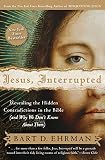
Jesus, Interrupted: A Study of Biblical Textual History and Contradictions
Bart D. Ehrman
Bart D. Ehrman’s Jesus, Interrupted is essential reading for pastors, students, and laypeople seeking to bridge the gap between devotional reading and rigorous academic scholarship. Utilizing the historical-critical method, Ehrman examines the textual history and contradictions of the Bible to reveal how the scriptures were compiled and altered over time. By dismantling the notion of biblical inerrancy through empirical evidence, he offers a transformative intellectual journey. This work is highly recommended for any serious student of the New Testament.
Full review
In Jesus, Interrupted: A Study of Biblical Textual History and Contradictions, Bart D. Ehrman addresses the profound disconnect between the consensus of modern biblical scholarship and the understanding of the general public. His central thesis posits that while the Bible is the most honored book in Western civilization, a significant gap exists between academic research—rooted in three centuries of English and German scholarship—and the devotional interpretations taught in religious institutions. Ehrman argues that the general public, and even many people of faith, remain largely unaware of the historical-critical method, which prioritizes determining the original meaning of texts within their specific historical settings over the practical, moral applications of devotional study.
Drawing from his own intellectual journey—from a quest for absolute certainty at the Moody Bible Institute to rigorous doctoral training under Bruce Metzger at Princeton Theological Seminary—Ehrman employs a methodology that emphasizes linguistic proficiency in Koine Greek and the analysis of ancient manuscripts. He explores how the historical-critical approach investigates authorship, dating, and the cultural biases of biblical writers, often revealing contradictions that challenge the doctrine of biblical inerrancy. This work is essential for serious students of the Bible and those in theological training who wish to reconcile personal faith with empirical, factual truth. What sets this work apart is Ehrman's transparency regarding the spiritual and emotional struggle of moving from a belief in verbal inspiration to an academic framework. He recommends that readers approach the text with an open perspective, inviting those unsettled by the findings to remain receptive to personal transformation.